Exploring Chinese Traditional Watercolor and Realistic Watercolor: A Comprehensive Guide
Chinese traditional watercolor and realistic watercolor are two distinct yet deeply connected art forms that have captivated artists and art enthusiasts for centuries. These styles not only reflect the rich cultural heritage of China but also offer a unique way to express creativity and storytelling through color, texture, and composition. Whether you're an artist looking to explore new techniques or a beginner seeking to understand the fundamentals, this guide will provide you with a clear and engaging overview of these beautiful art forms.
Understanding Chinese Traditional Watercolor
Chinese traditional watercolor, often referred to as "guo hua," is a classical style of painting that has its roots in ancient China. This form of art emphasizes simplicity, balance, and the use of natural elements such as ink, brushstrokes, and water. Unlike Western watercolor, which often focuses on detailed realism, traditional Chinese watercolor prioritizes the essence of the subject rather than its exact representation.
The purpose of Chinese traditional watercolor is not just to depict an object but to evoke emotion, convey meaning, and reflect the harmony between nature and human life. Artists often use this medium to paint landscapes, flowers, birds, and other symbolic subjects that carry deep cultural significance.
The Significance of Chinese Traditional Watercolor
Traditional Chinese watercolor holds immense cultural and historical value. It has been used for over 2,000 years and is closely tied to the philosophy of Confucianism, Taoism, and Buddhism. The brushwork, often characterized by fluid lines and subtle shading, reflects the principles of balance and mindfulness that are central to these philosophies.
One of the key aspects of this art form is the use of negative space. Unlike many Western styles, where the focus is on filling the canvas, traditional Chinese watercolor often leaves large areas of the paper blank, allowing the viewer to imagine and interpret the scene. This technique not only enhances the visual impact but also invites a deeper connection with the artwork.
What is Chinese Traditional Realistic Watercolor?
While traditional Chinese watercolor emphasizes abstraction and symbolism, Chinese traditional realistic watercolor takes a different approach. This style combines the techniques of classical Chinese painting with more detailed and lifelike representations. It is often used to depict scenes from daily life, historical events, or natural landscapes with a high level of accuracy.
Realistic watercolor in the Chinese tradition still uses similar materials—such as brushes, ink, and paper—but incorporates more intricate details and shading. Artists may use multiple layers of washes to build depth and dimension, creating a sense of realism while maintaining the elegance and grace of traditional techniques.
The Practical Relevance of Realistic Watercolor
Realistic watercolor has practical applications in various fields, including education, design, and even digital art. Many contemporary artists and illustrators draw inspiration from traditional techniques to create modern works that bridge the gap between past and present. For example, in the field of graphic design, realistic watercolor can be used to add a handcrafted feel to logos, illustrations, and branding materials.
In education, teaching realistic watercolor helps students develop a strong foundation in color theory, composition, and technique. It also encourages creativity and self-expression, making it a valuable tool for both children and adults.
How These Art Forms Fit into Modern Life
Both traditional and realistic Chinese watercolor continue to play a significant role in modern life. In the digital age, where technology dominates creative industries, these art forms offer a refreshing contrast. They remind us of the beauty of simplicity, the power of observation, and the importance of patience in the creative process.
For professionals in the arts, understanding these styles can open up new opportunities for collaboration, exhibition, and innovation. For everyday individuals, engaging with watercolor can be a relaxing and fulfilling hobby that fosters mindfulness and personal growth.
Examples of Real-World Applications
One common application of Chinese watercolor is in the creation of greeting cards, calendars, and decorative items. These pieces often feature traditional motifs such as cranes, bamboo, and plum blossoms, which symbolize good fortune, resilience, and renewal. By incorporating these elements into modern designs, artists help preserve cultural traditions while making them accessible to a wider audience.
Another example is in the field of interior design. Watercolor paintings can be used to enhance the aesthetic of a space, adding warmth, character, and a touch of elegance. Whether it's a minimalist living room or a vibrant studio, watercolor art can complement any environment.
Common Misconceptions About Chinese Watercolor
Despite its long history and cultural significance, there are several misconceptions about Chinese watercolor that persist. One common misunderstanding is that it is a static or outdated art form. In reality, Chinese watercolor continues to evolve, with contemporary artists experimenting with new techniques and materials while respecting the traditions of the past.
Another misconception is that watercolor is only suitable for beginners. While it is true that watercolor can be challenging due to its transparency and unpredictability, it is also a medium that offers endless possibilities for advanced artists. The key is to understand the properties of the medium and practice consistently.
Clarifying the Differences Between Styles
It's important to distinguish between traditional and realistic watercolor when discussing their purposes and applications. Traditional watercolor focuses on expression and symbolism, while realistic watercolor emphasizes detail and accuracy. However, both styles share a common foundation in brushwork, color blending, and the use of water to control the flow of paint.
Understanding these differences can help artists choose the right approach based on their goals and preferences. Whether you're drawn to the meditative qualities of traditional watercolor or the precision of realistic watercolor, there is something for everyone in this versatile art form.
Why Choose High-Quality Watercolor Files?
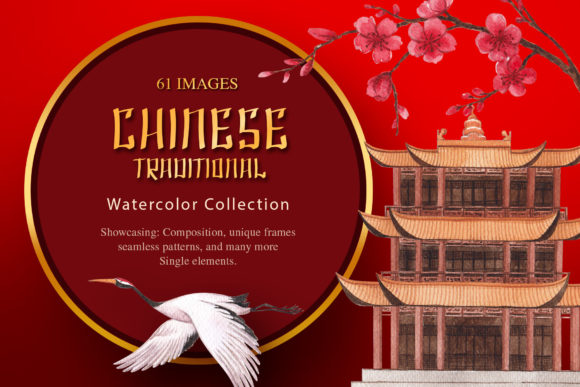
If you're looking to incorporate Chinese traditional watercolor into your projects, having access to high-quality files can make a big difference. The set described here includes 51 files, ranging from single elements to full compositions, all designed for professional use. Each file is created with attention to detail, ensuring that the colors, textures, and lines are crisp and accurate.
The set includes 31 single elements in PNG format, each larger than 1 MB and at 300 DPI, making them ideal for printing or digital use. There are also 10 composition PNGs, each larger than 4 MB, perfect for creating complex scenes. Additionally, the set features 12 frames in JPG and PNG formats, each larger than 3 MB, and 8 patterns in PNG, JPG, and PSD formats, with some files exceeding 80 MB in size.
Benefits of Using These Files
These high-resolution files are not only visually stunning but also incredibly versatile. They can be used in a variety of contexts, including graphic design, illustration, digital art, and even educational materials. The transparent backgrounds allow for easy integration into different projects, while the high DPI ensures that the images remain sharp and clear, even when printed at large sizes.
Whether you're a professional designer, an educator, or a hobbyist, these files provide a valuable resource for exploring the beauty and complexity of Chinese traditional watercolor. By using these resources, you can bring the essence of this art form into your own creative work.
Conclusion
Chinese traditional watercolor and realistic watercolor are more than just artistic styles—they are windows into a rich cultural heritage and a powerful means of self-expression. By understanding the principles behind these art forms, we gain a deeper appreciation for their beauty, complexity, and relevance in today's world.
Whether you're interested in learning the techniques yourself or simply enjoying the visual appeal of these artworks, there is much to discover and appreciate. With the right tools and resources, such as the high-quality file set described here, you can explore the world of Chinese watercolor in a way that is both informative and inspiring.
Thank you for visiting our Watercolor Studio. We hope you enjoy our designs just as much as we do creating them.